Complete Guide to CCTV Security Systems for Businesses
 Kapadia Infotech
Complete Guide to CCTV Security Systems for Businesses
Security is one of the most important concerns for businesses today. Whether you operate a retail store, office, warehouse, or industrial facility, protecting your assets, employees, and customers is essential. One of the most effective ways to achieve this is by installing a reliable CCTV security system.
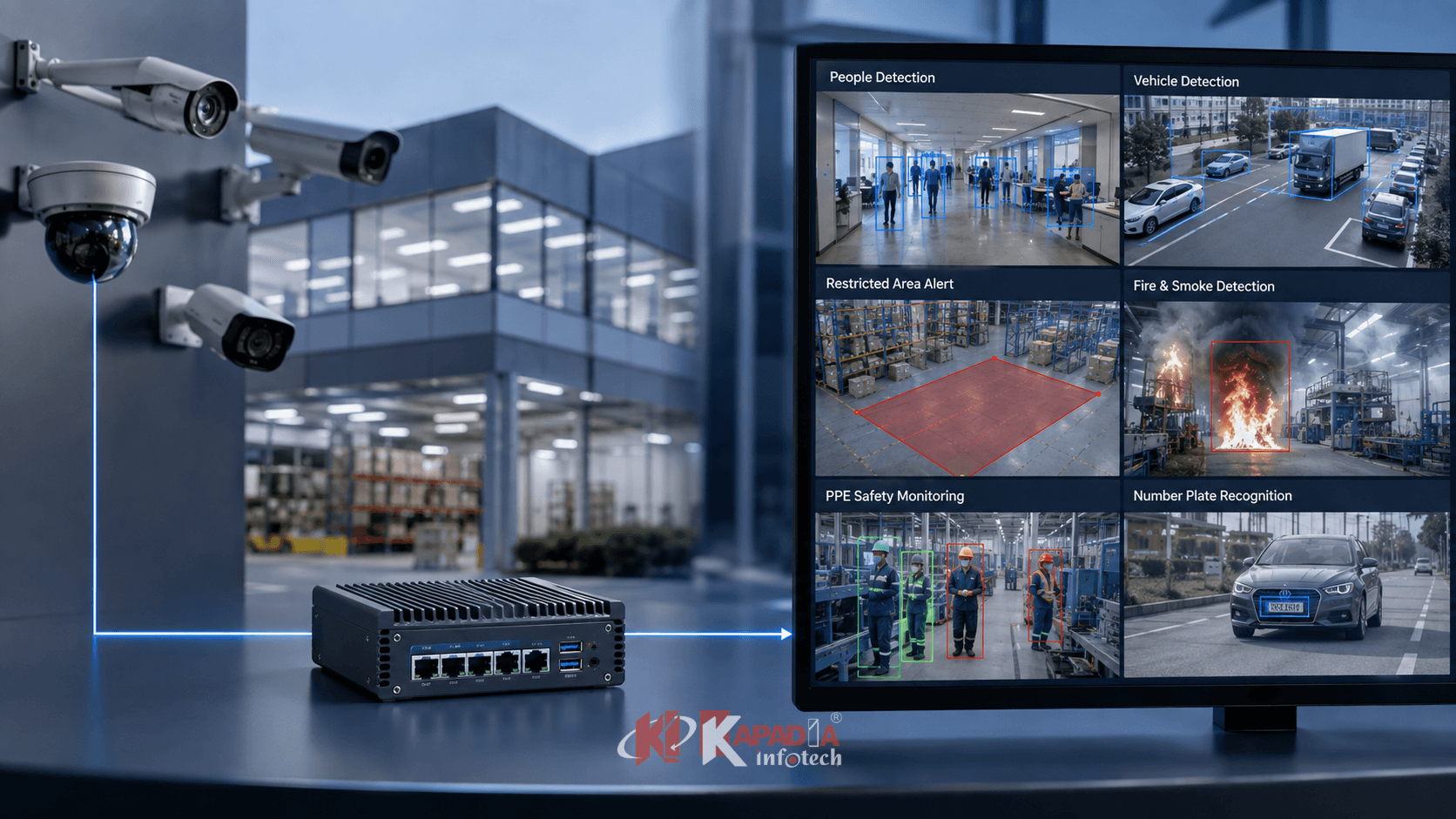
Closed-Circuit Television (CCTV) systems allow businesses to monitor their premises in real time, record security footage, and prevent unauthorized activities. Modern CCTV technology has evolved significantly, offering advanced features such as remote monitoring, motion detection, cloud storage, and AI-powered analytics.
In this guide, we will explore everything businesses need to know about CCTV security systems, including types of cameras, key features, benefits, and installation considerations.
What is a CCTV Security System?
A CCTV security system is a network of video cameras used to monitor and record activity in a specific area. Unlike public broadcast television, CCTV footage is transmitted privately to designated monitors or recording devices.
Businesses commonly use CCTV systems for security monitoring, employee safety, asset protection, and crime prevention. These systems can be installed both indoors and outdoors depending on the security requirements of the premises.
Why Businesses Need CCTV Surveillance
Installing a CCTV system provides multiple benefits for businesses of all sizes. Apart from improving security, surveillance cameras also help organizations monitor operations and maintain workplace discipline.
- Prevent theft and unauthorized access
- Monitor employee productivity
- Improve workplace safety
- Provide evidence in case of incidents
- Enhance overall business security
When employees and visitors know that surveillance systems are installed, the chances of misconduct or theft are significantly reduced.
Types of CCTV Cameras for Businesses
Choosing the right type of CCTV camera depends on your business environment, surveillance area, and monitoring requirements.
Dome Cameras
Dome cameras are commonly used in offices, retail stores, and indoor environments. Their compact design makes them discreet and difficult to tamper with.
Bullet Cameras
Bullet cameras are ideal for outdoor surveillance. They have a long cylindrical shape and can capture footage over longer distances.
PTZ Cameras
Pan-Tilt-Zoom (PTZ) cameras allow operators to remotely control the camera direction and zoom level. These cameras are suitable for monitoring large areas such as parking lots or warehouses.
IP Cameras
IP cameras transmit footage over the internet and provide high-resolution video quality. They support remote monitoring through mobile apps or web dashboards.
Key Features to Look for in a CCTV System
Modern CCTV systems come with a variety of advanced features that enhance security and usability. When selecting a system for your business, consider the following capabilities.
- High-definition video recording
- Night vision for low-light monitoring
- Motion detection alerts
- Remote viewing through mobile apps
- Cloud or local storage options
- Wide-angle camera coverage
These features ensure that your surveillance system remains effective even in challenging security situations.
CCTV Storage Options
Recorded video footage must be stored securely for future reference. Businesses typically use two types of storage systems.
Local Storage
Local storage uses DVR (Digital Video Recorder) or NVR (Network Video Recorder) systems with hard drives to store recorded footage within the premises.
Cloud Storage
Cloud-based CCTV systems store recordings on remote servers. This allows business owners to access footage from anywhere using secure internet connections.
Where Should Businesses Install CCTV Cameras?
Proper camera placement is essential for effective surveillance. Businesses should install CCTV cameras in high-risk or high-traffic areas such as:
- Entry and exit points
- Reception areas
- Parking spaces
- Storage rooms
- Warehouse facilities
- Cash counters
Strategic placement ensures maximum coverage and minimizes security blind spots.
Benefits of Installing CCTV Systems
Apart from preventing crime, CCTV systems offer many operational advantages for businesses.
- 24/7 monitoring of business premises
- Improved employee accountability
- Better incident investigation
- Reduced insurance costs
- Enhanced customer safety
For many organizations, CCTV systems act as both a security tool and a management resource.
Conclusion
A reliable CCTV security system is an essential investment for modern businesses. With the rise in security threats and operational risks, surveillance technology helps organizations protect their assets and maintain a safe working environment.
By choosing the right type of cameras, installing them strategically, and using modern features such as remote monitoring and motion detection, businesses can build a robust security infrastructure that ensures long-term safety and peace of mind.